3 hr
Shinsekai Street Food Walking Experience
Sample 17 authentic dishes across 4 local eateries in Osaka's nostalgic Shinsekai neighborhood
Reserve
Grilled scallops at dawn, hand-pressed sushi by noon
Hand-picked by our editors — only the best 4 culinary experiences from 12 reviewed.
Verified partners for Kuromon Market Food tours, free cancellation where available, and instant confirmation on every booking.
3 hr
Sample 17 authentic dishes across 4 local eateries in Osaka's nostalgic Shinsekai neighborhood
Reserve
2 hr 30 min
Explore Japan's culinary capital with a guided tasting journey through neighborhood eateries
Reserve
3 hr
Dive into Osaka's backstreet dining scene with 13 tastings at hidden local haunts
ReservePrices from verified partners. Availability updates in real time at checkout. Free cancellation policies apply where shown.
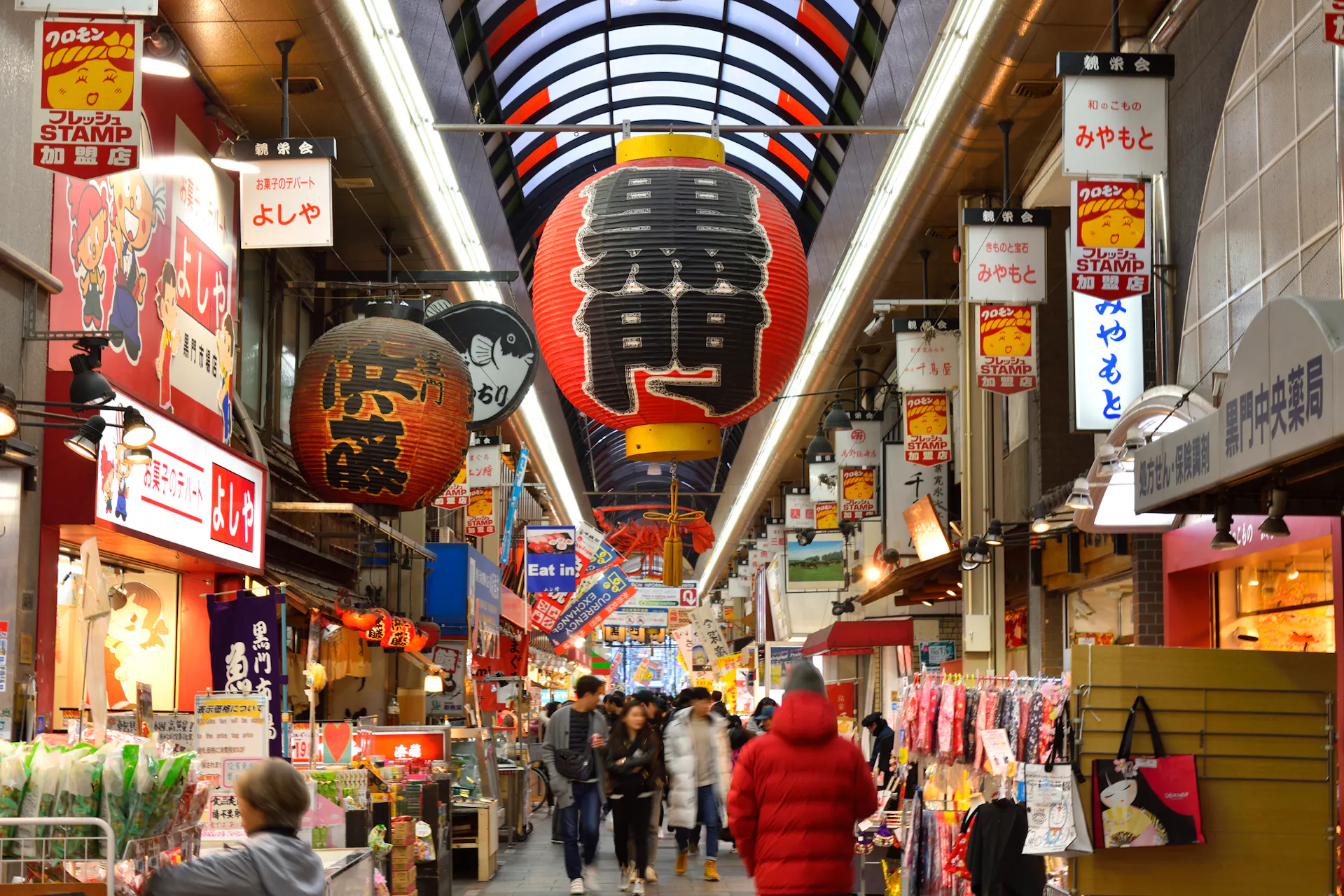
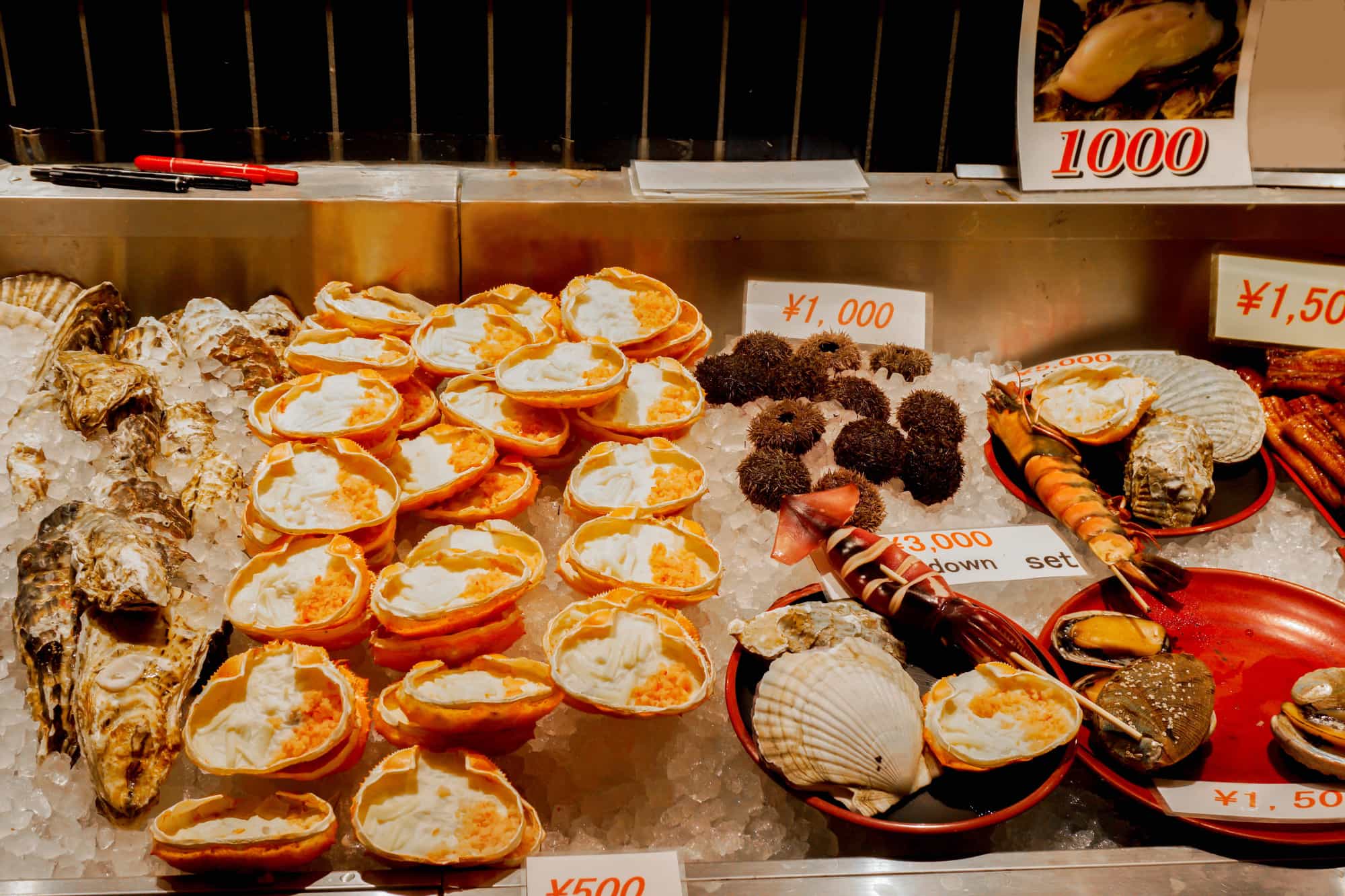
The landmarks, rooms, and views travelers on Kuromon Market Food tours remember — all visible on a single visit.
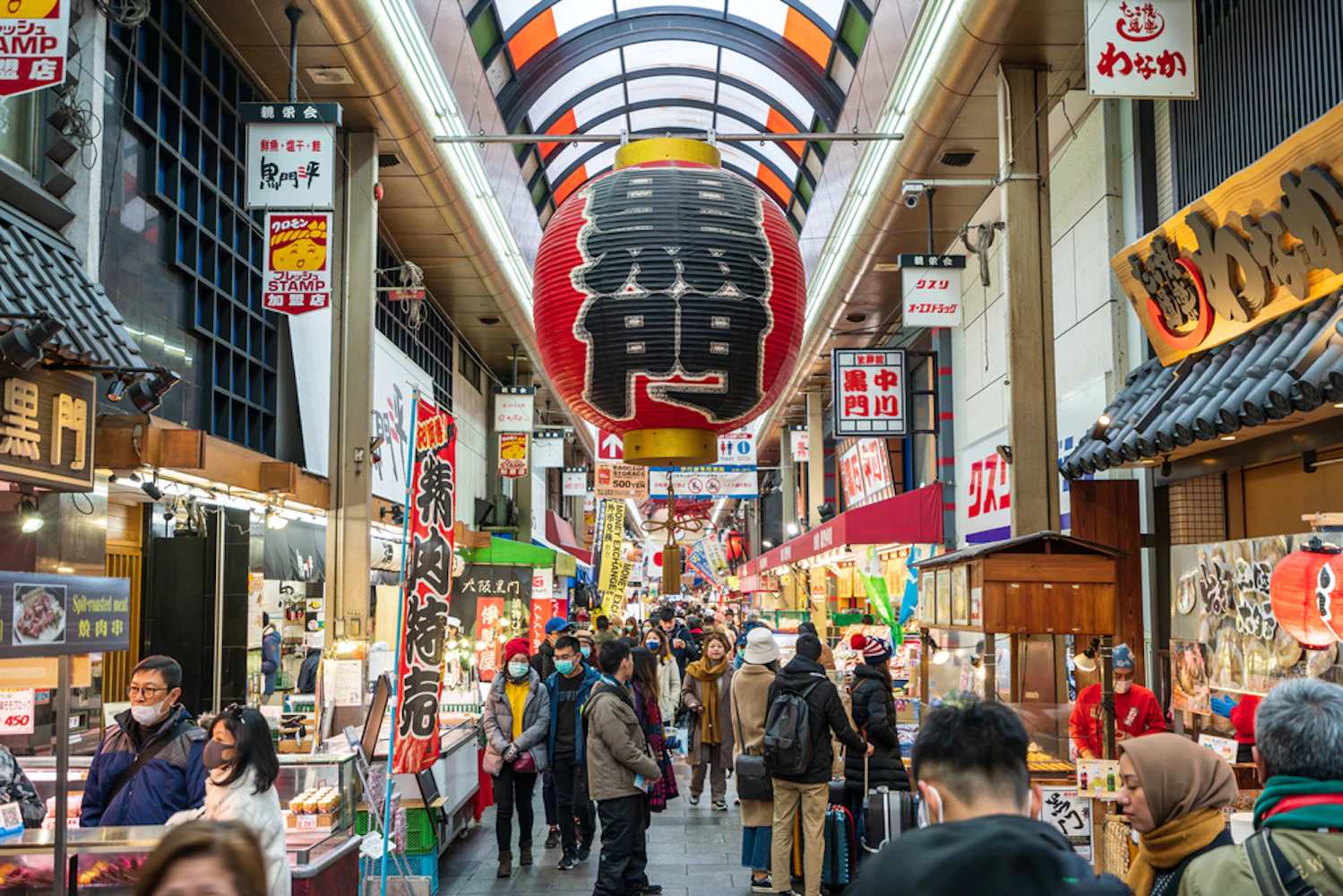
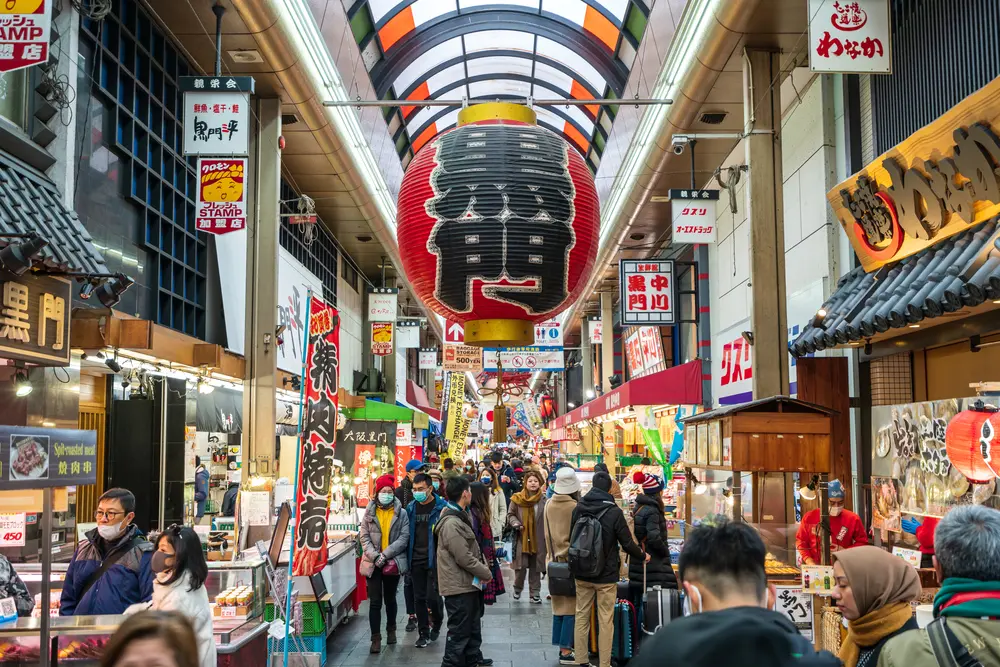
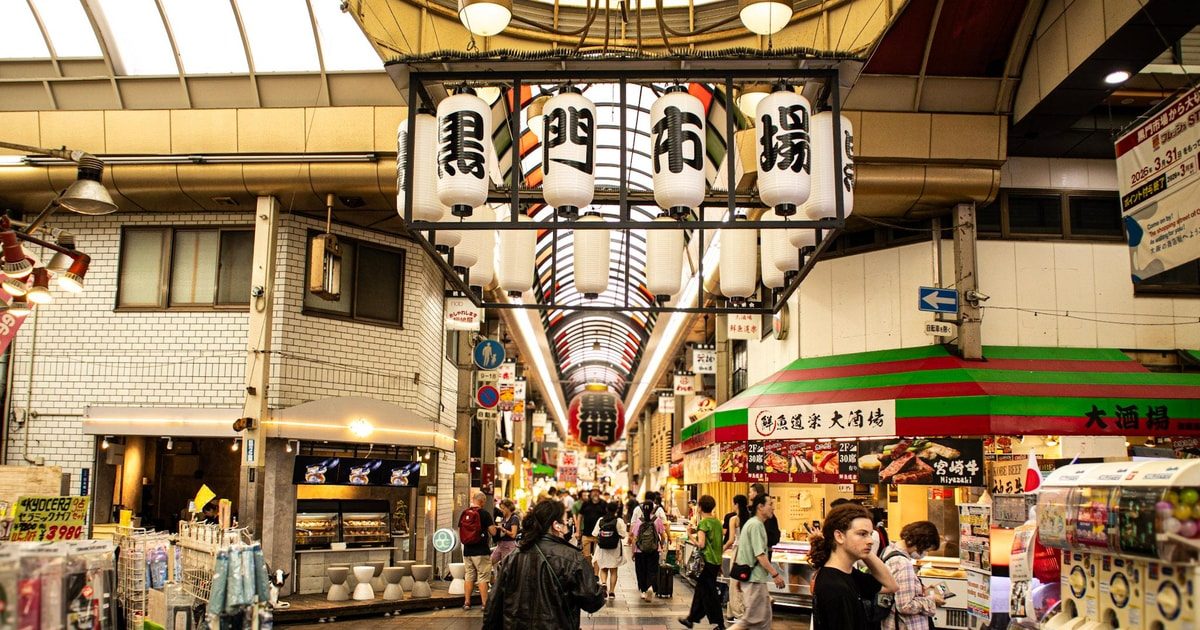
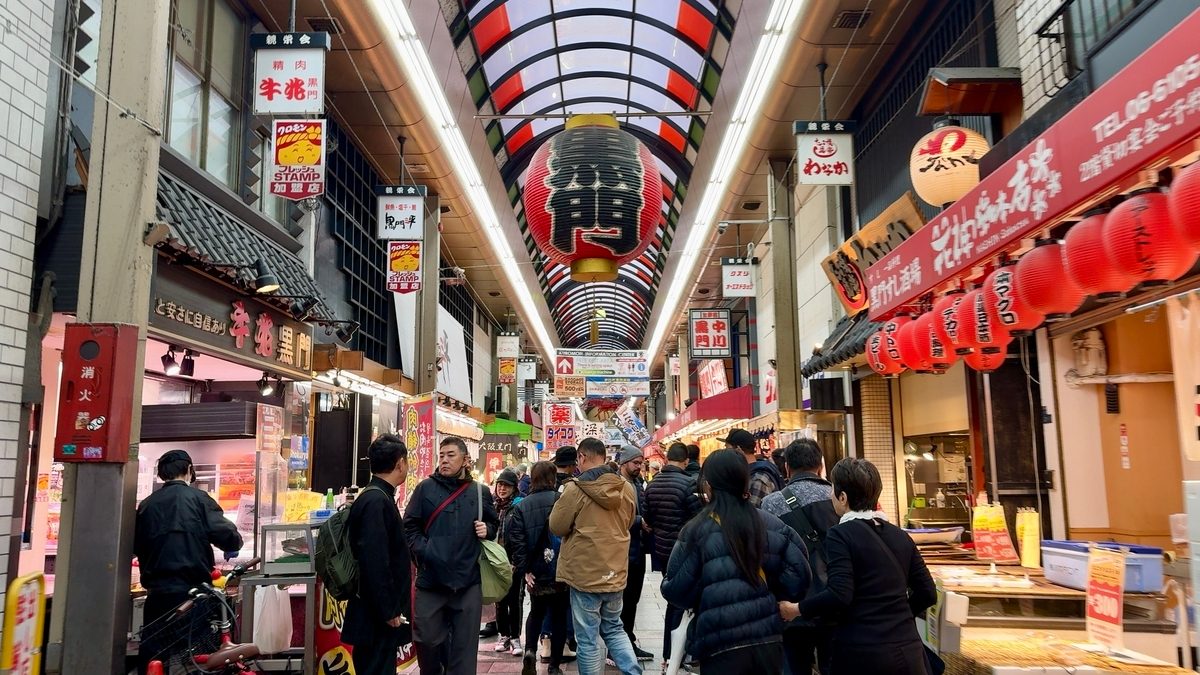
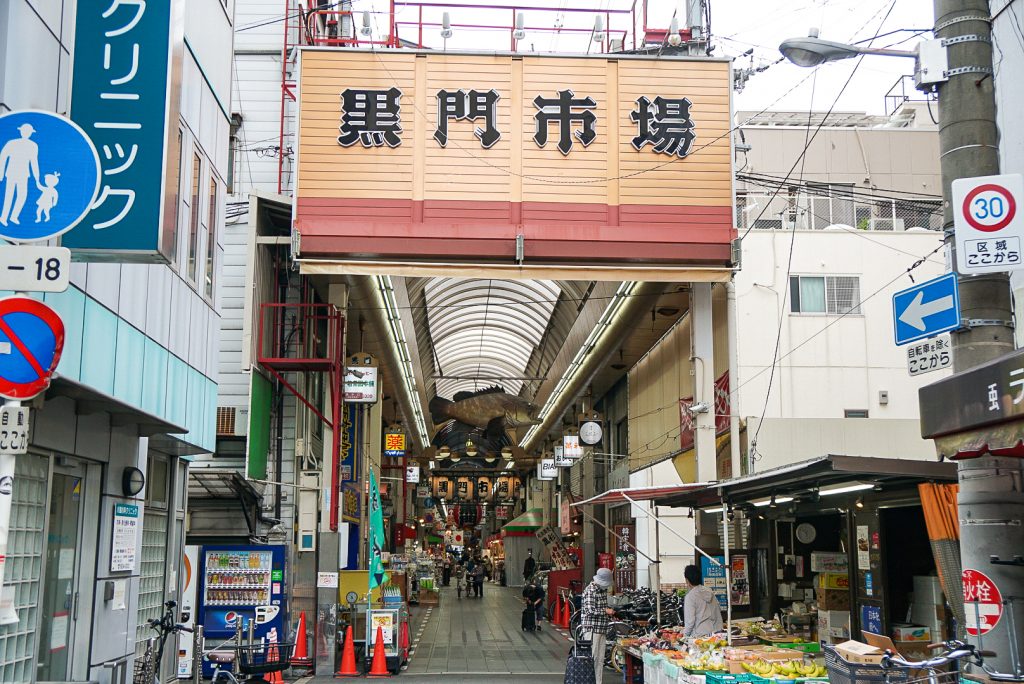
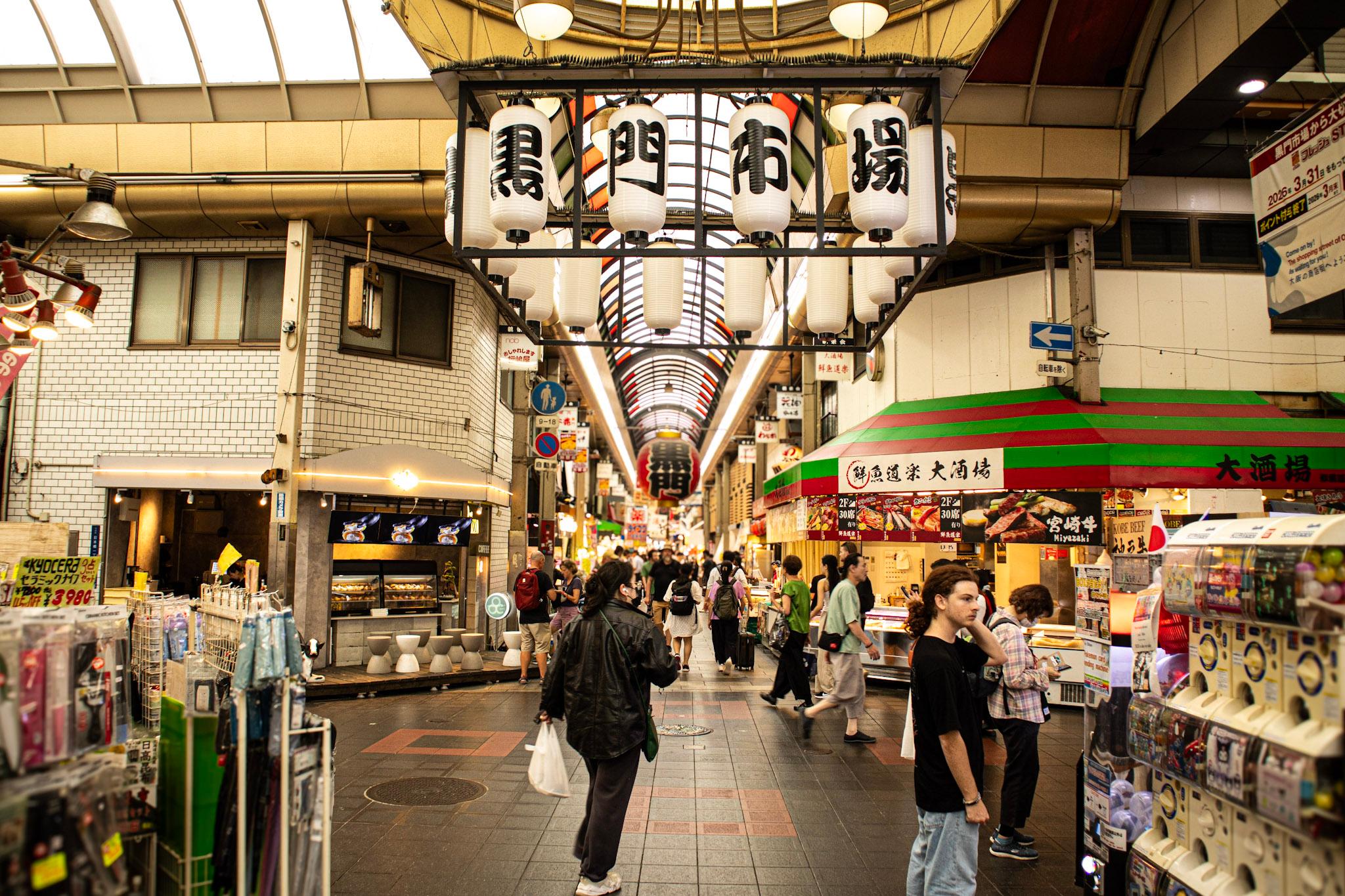
Learn about the history of the market, which takes its name from the black-lacquered gate of the former Enmyoji Temple.
A central hub providing free Wi-Fi, currency exchange, and luggage storage for visitors.
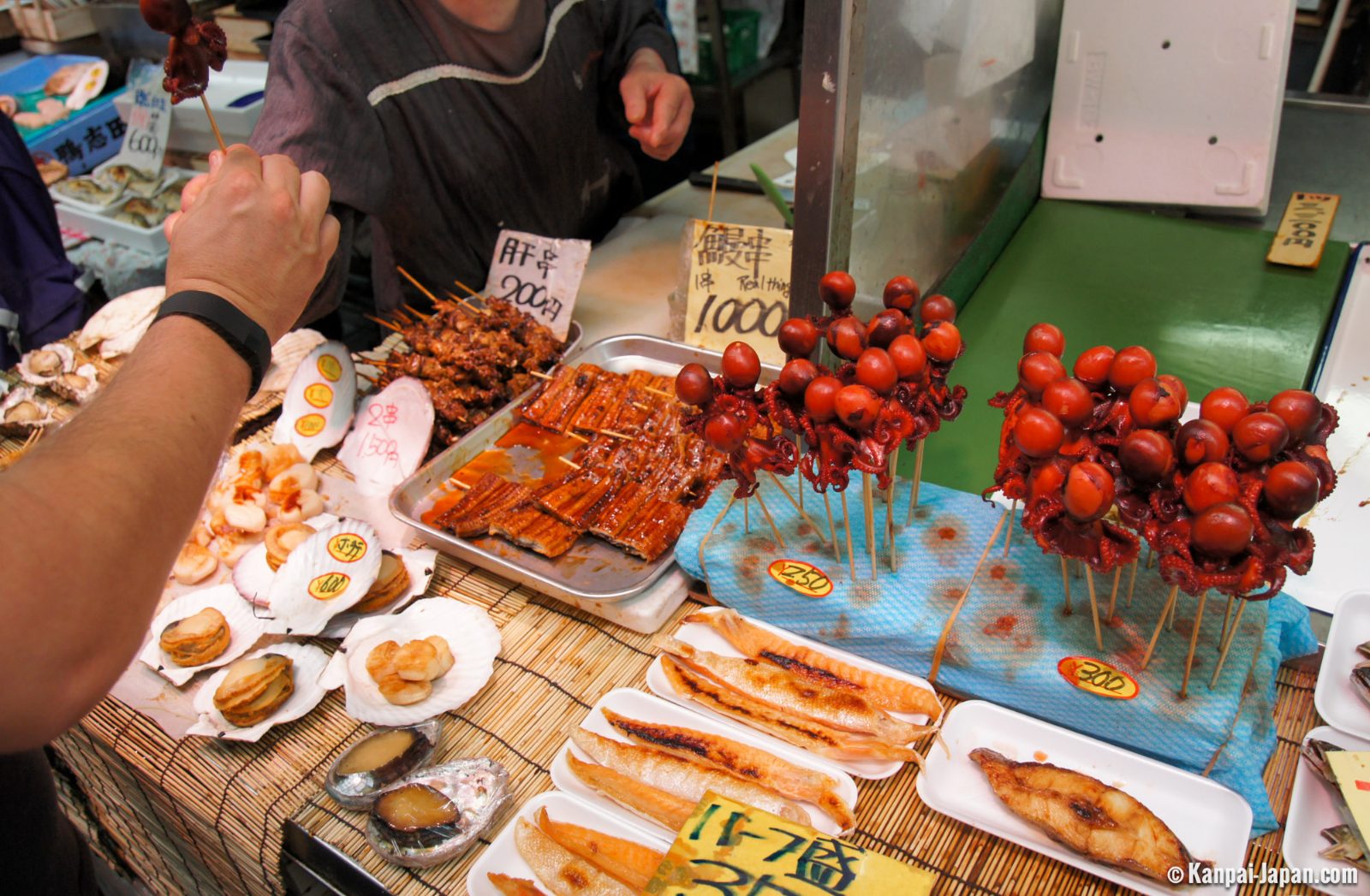
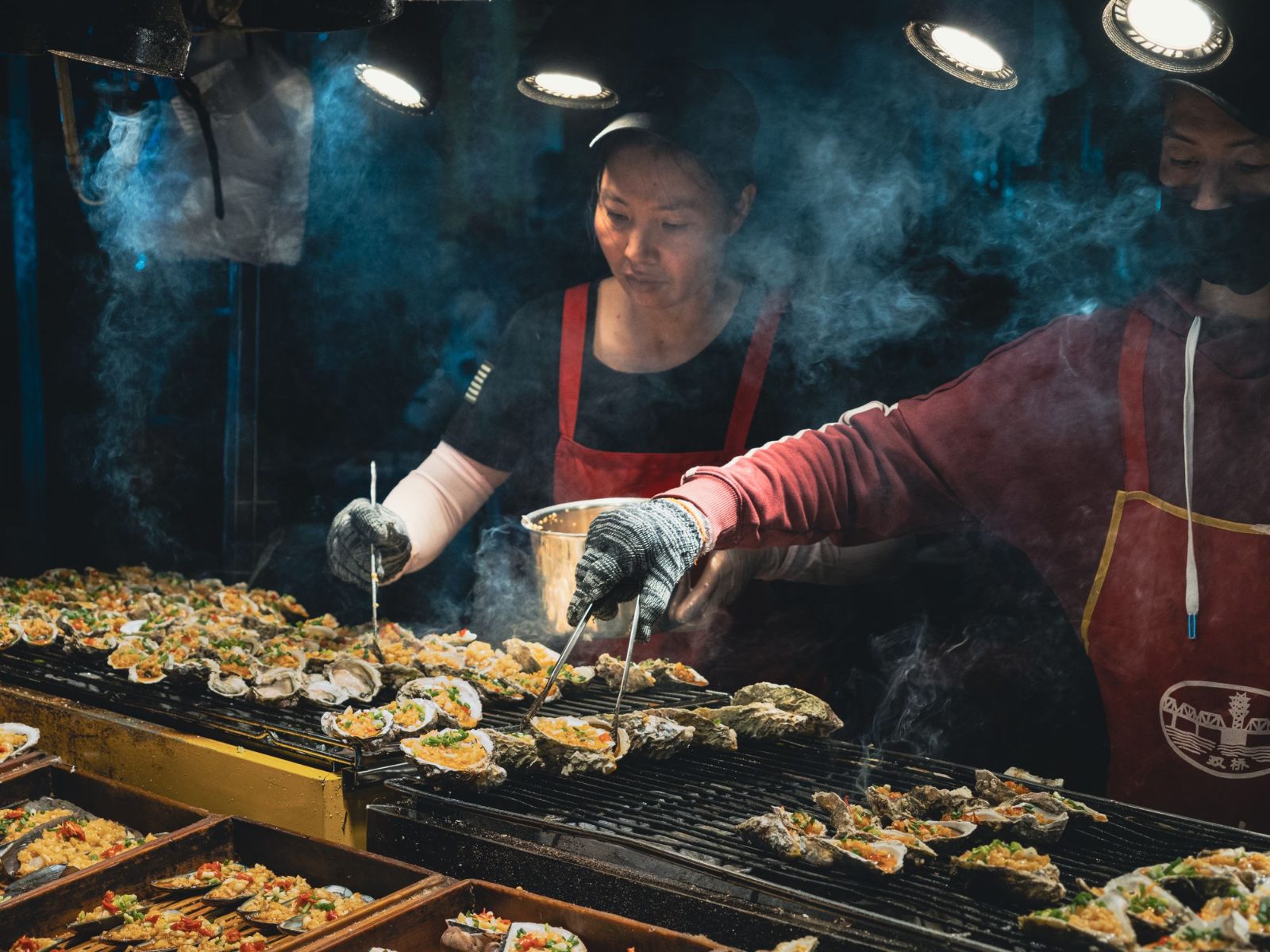
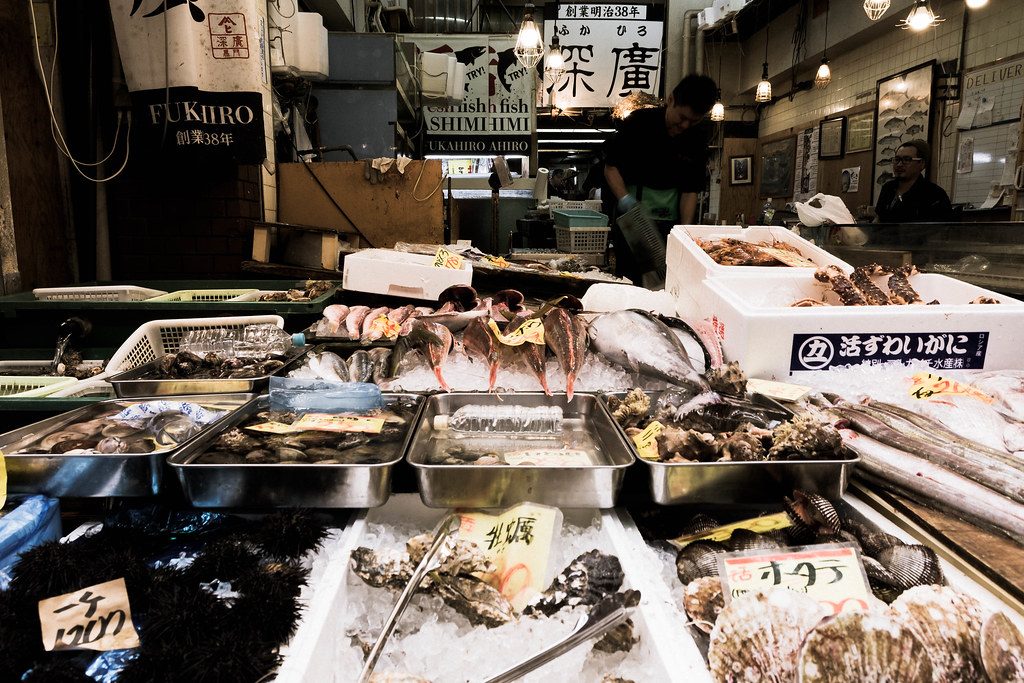
Experience the essence of the market by watching vendors grill fresh scallops, shrimp, and eel skewers.
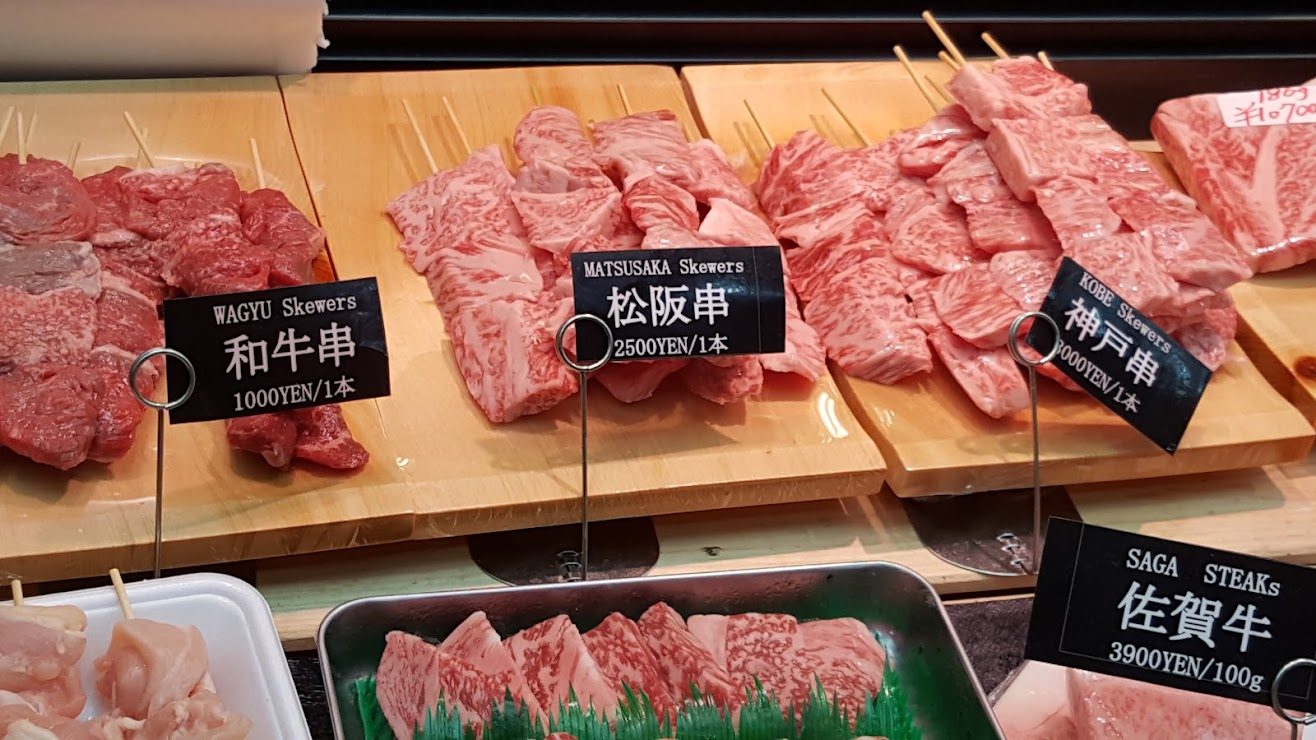
Sample premium Kuroge Wagyu beef prepared as skewers or small tastings by local butchers.
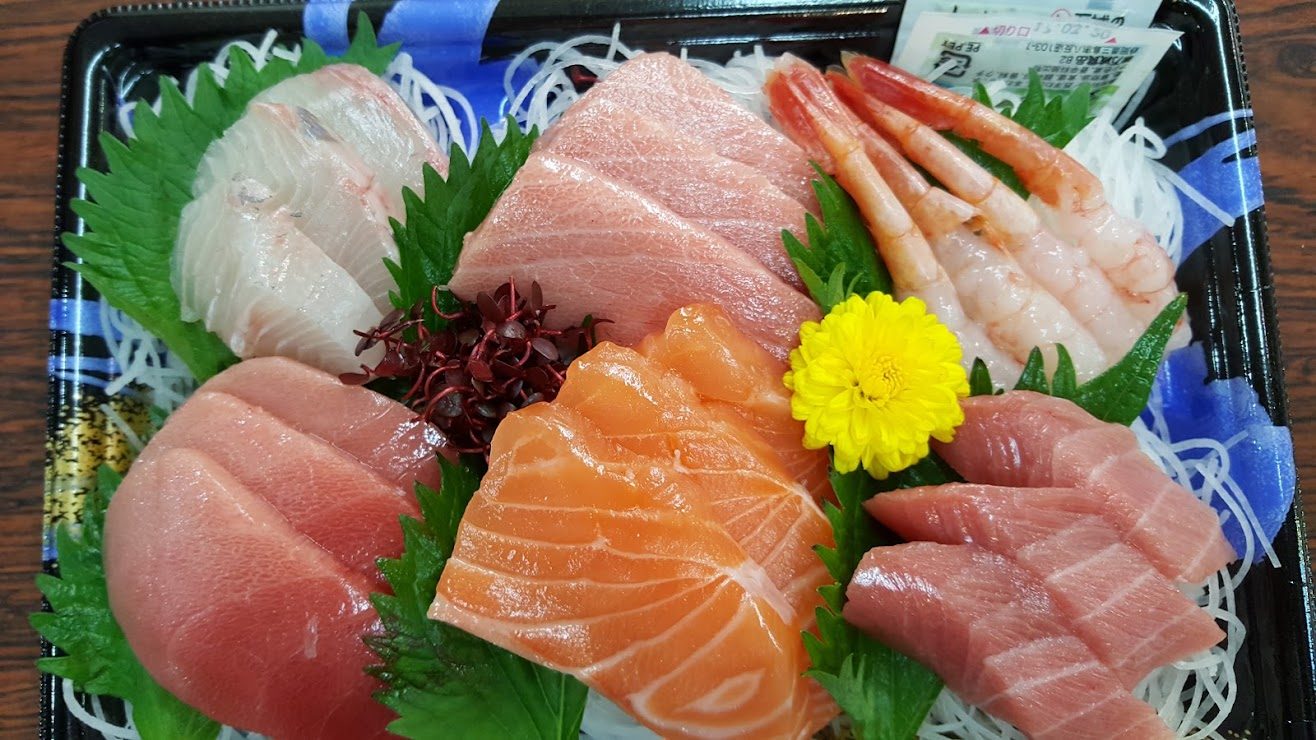
Watch experts carve fresh bluefin tuna and prepare uni gunkan for immediate consumption.
Every Kuromon Market Food tour side-by-side — duration, what's included, how you redeem.
| Experience | Duration | Rating | Guide | Small group | Free cancel. | Price | |
|---|---|---|---|---|---|---|---|
|
Standard Entry Most popular
Shinsekai Street Food Walking Experience
|
3 hr | ★ 4.8 | ✓ | — | ✓ | €45 | Book → |
|
Standard Entry
Osaka Evening Food Walk: 12 Dishes & Local Izakayas
|
2 hr 30 min | ★ 4.8 | ✓ | ✓ | ✓ | €44 | Book → |
|
Standard Entry
Ura Namba Night Food Walk
|
3 hr | ★ 5.0 | ✓ | ✓ | ✓ | €73 | Book → |
All prices from verified partners. Availability and exact terms confirmed at checkout.
Kuromon Ichiba offers a refined, ingredient-focused daytime experience, while Dotonbori provides a high-energy, neon-lit nightlife spectacle; most visitors find that balancing both provides the most authentic Osaka Osaka sightseeing tour.
| Feature | Top pick Kuromon Market | Dotonbori Street Food |
|---|---|---|
Environment |
Indoor traditional market arcade | Outdoor canal-side nightlife district |
Primary Food Focus |
Fresh seafood and produce | Takoyaki and savory street snacks |
Best Time of Day |
Morning to early afternoon | Evening and late night |
Crowd Levels |
Moderate to high | Extremely dense |
Dining Style |
Stall-front standing or market seating | Mostly takeaway or casual sit-down |
Local Culture |
Culinary artisan hub | Neon landmark experience |
| See tickets → |
Verdict: Choose a kuromon market food tour for high-quality seafood ingredients during the day, or opt for Dotonbori food tour tickets if you prefer a lively evening atmosphere surrounded by iconic Osaka landmarks and vibrant signage.
Choose your ticket, select your date, and reserve in under two minutes. Secure checkout handled by our verified partner.
Instant confirmation by email, with a mobile voucher you can save offline. No printing, no queuing at a collection desk.
Arrive at the entrance, show your voucher on your phone, and walk in. Most tickets include priority or skip-the-line access.
Practical details for Kuromon Market Food tickets straight from our verified partners — hours, access, rules, and how to get there.
Casual and comfortable attire is recommended for exploring the Kuromon Ichiba Market arcade. Because this is a working food market, wearing practical walking shoes is advised.
While the market is a public arcade, luggage storage is available at the southern information center to help you navigate the narrow aisles during your kuromon market food tour. Please be mindful of other patrons when carrying large bags.
You are welcome to capture the vibrant scenes of Kuromon Ichiba Market, but always be respectful of vendors and shoppers. Avoid blocking narrow walkways while taking photos and look for signage indicating if a specific shop prohibits photography.
The market is a flat, roofed arcade that is largely accessible to visitors using wheelchairs or strollers. Some individual stalls may have small steps or limited counter space.
Mobile phones are permitted. Keep ringer off inside exhibition spaces.
Families are welcome to enjoy the street food culture at Kuromon Ichiba Market. Baby changing facilities are available in the restroom at the information center.
Enjoy the local tradition of Tabe Aruki, or eating while strolling, during your kuromon market food tour. Please use the trash bins provided by the individual stalls after finishing your snacks.
Pets are not allowed, with the exception of service animals with appropriate documentation.
Last entry is typically 1 hour before closing. Check the specific ticket for timing.
Best time to go, insider tips, nearby landmarks, and the cancellation fine print — flip through to skim what matters to you.
Flexible, no hidden fees.
Entry is 0 JPY (Free entry) for all visitors, so no cancellation policies apply to individual entry. Guided kuromon market food tour bookings should be checked with your specific tour operator for cancellation terms.
Kuromon Ichiba Market opened in 1902 as a wholesale fish market serving Osaka's restaurant trade, earning its name from the black-painted gate of nearby Enmyōji Temple.
By the 1950s, the 580-meter arcade had expanded to include butchers, produce vendors, and picklers, transforming a trade hub into a public marketplace. Today, over 150 stalls operate under the covered arcade, with vendors arriving before dawn to arrange the morning's catch — live king crab, spiny lobster, and yellowtail tuna flown in from Hokkaido and the Sea of Japan.
The shift toward tourism began in the early 2000s when several stalls installed counter seating and began grilling seafood to order. A kuromon market food walking tour in osaka now navigates a corridor where wholesalers still price boxes of sea urchin beside vendors serving pressed sushi and charcoal-grilled scallops. The market's nickname, "Osaka's Kitchen," reflects its dual identity: local chefs still procure ingredients here at 6 a.m., while visitors arrive mid-morning for tasting circuits that can include Wagyu beef skewers, takoyaki made with Akashi octopus, and seasonal fruit like Yamanashi white peaches or Hokkaido melons.
Architecturally, the market retains its post-war arcade structure — corrugated steel roofing, narrow aisles, and hand-painted signage in Kanji and Hiragana. Stalls operate on a density principle: roughly one shop per eight meters. The kuromon ichiba market food tour typically begins at the southern entrance near Nippombashi Station and moves north, allowing participants to sample progressively heavier dishes as the route unfolds. Peak activity occurs between 9 a.m. and 2 p.m., when inventory is fullest and vendors are most willing to offer tastings.
The market's reputation as Osaka's primary culinary landmark stems from its continuity — four generations of fishmongers, rice merchants, and knife sharpeners have operated from the same stalls. Visitors encounter a working market first, a tourist destination second. Prices remain competitive with neighborhood grocers, and the kuromon market street food tour functions as much as an anthropological study of Osaka's food supply chain as a tasting itinerary. The arcade's survival through decades of urban redevelopment reflects its economic utility, not heritage preservation.

"Four generations of fishmongers have operated from the same stalls, maintaining Osaka's supply chain continuity."
A step-by-step walkthrough of Kuromon Market Food tickets — what you'll see, how long each stage takes, and the details that matter.
You enter through the southern gate at 9 a.m., when vendors are arranging ice beds of mackerel and sea bream. Your guide stops at the third stall on the right, where a fishmonger grills scallops over binchotan charcoal.
You taste the first bite standing — butter, soy, and the mineral tang of shellfish pulled from Hokkaido waters that morning.
Ten minutes later, you're at a Wagyu butcher's counter, watching A5 beef sear on a teppan griddle. The vendor hands you a skewer. You chew slowly, letting the fat dissolve. Your guide explains the grading system — marbling, color, firmness — while the vendor portions ribeye for a restaurant chef.
Mid-route, you pause at a pickle stall. You sample tsukemono — daikon, cucumber, eggplant — each fermented in rice bran for different durations. The acidity resets your palate. Your guide buys a small bag for you to carry.
Near the northern exit, you stop at a takoyaki stand. The vendor pours batter into molds, drops in chunks of octopus, and flips each ball with two metal picks. You eat three, topping them with bonito flakes that curl in the steam. By noon, you've walked 580 meters and tasted eleven dishes. You leave through the north gate, full, carrying a bag of pickles and a better understanding of how Osaka eats.
No, entry to Kuromon Ichiba Market is 0 JPY (Free entry) and you do not need tickets to walk through the market.
The best time for a kuromon market food tour is 09:00–14:00 to ensure optimal freshness.
You can often book a guided tour online; search for local operators to arrange a professional kuromon market food tour.
Yes, the market is a 580m-long covered arcade that is wheelchair and stroller accessible.
You may take photos of the market scenery, but please be respectful and avoid blocking narrow aisles during your kuromon market food tour.
The market is conveniently located near Nippombashi Station; simply follow the signs to the arcade.
No, there is an entrance fee of 0 JPY (Free entry) for all visitors to Kuromon Ichiba Market.
A typical grazing budget for a food-focused tour is 2,000–4,000 JPY per person.
Yes, Kuromon Ichiba Market is a family-friendly destination for visitors of all ages.
We recommend arriving between 09:00–14:00 for peak market activity and freshness.