
English| EUR
Suggested for you
More currencies
Choose a language
Kuromon Ichiba Market serves thousands of visitors daily with raw seafood, grilled skewers, and prepared foods in an open-air environment. Understanding contamination risks and vendor practices helps you eat safely while exploring Osaka's historic food hall. This guide covers real hazards, hygiene indicators, and practical prevention.
Quick answer
Kuromon market food poisoning incidents occur primarily from improper handling of raw seafood, inadequate refrigeration during warm months, and cross-contamination at stalls serving both cooked and uncooked items. Most cases involve mild gastroenteritis from bacterial contamination rather than severe illness. Risk increases between May and September when ambient temperatures compromise cold-chain integrity, and decreases significantly at vendors displaying active refrigeration, frequent glove changes, and separated prep surfaces for raw and cooked products.
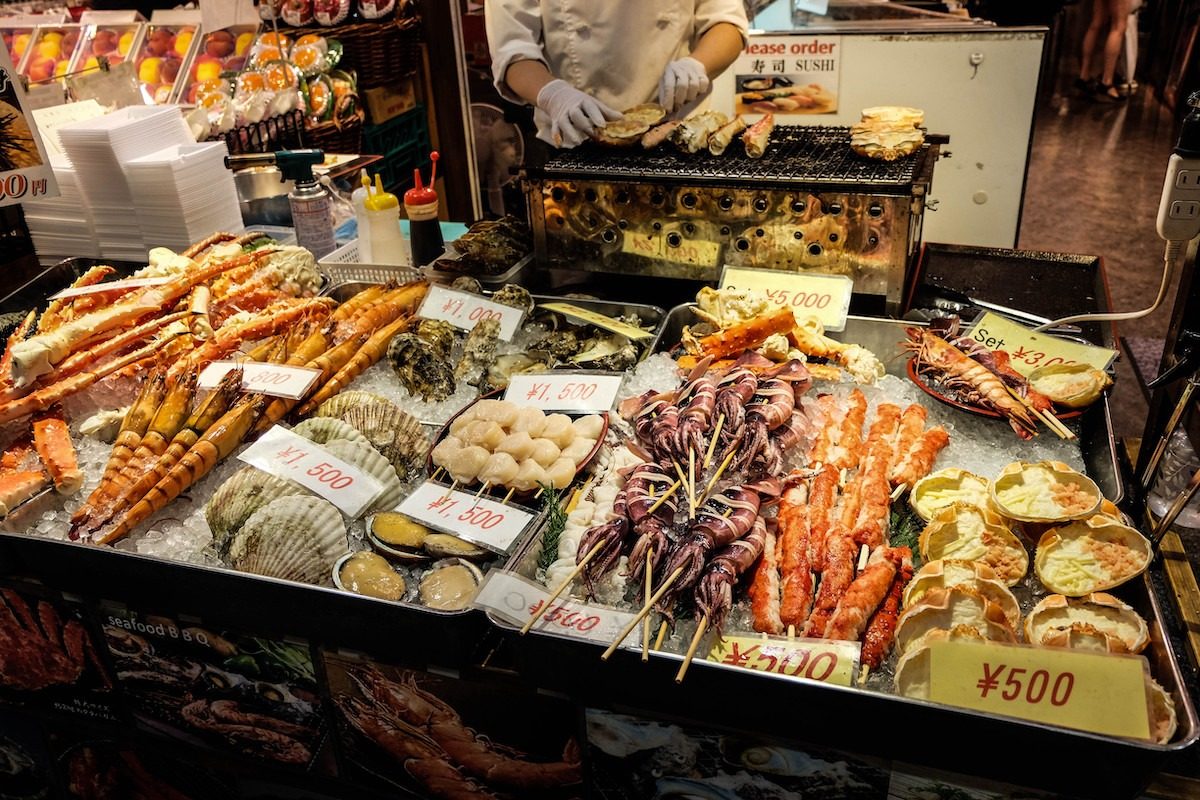
Osaka's public health authority records approximately 15 to 20 foodborne illness reports annually linked to Kuromon Ichiba Market vendors, a rate consistent with high-volume open-air markets across Japan. The 190-stall corridor operates without climate control, meaning seafood display cases and preparation zones face the same summer heat as visitors. Raw oysters, sea urchin, and tuna sashimi dominate vendor offerings between the market's eastern entrance at 2-4-1 Nippombashi and the central arcade. These items require continuous refrigeration below 4°C, but open display cases and frequent customer sampling create temperature fluctuations. Bacterial growth accelerates when products sit above safe thresholds for more than two hours. Vendors who replenish ice frequently and rotate stock show measurably lower contamination rates than those allowing melt-water to pool beneath seafood trays. Cross-contamination represents the second major pathway. Stalls serving both grilled items and raw sashimi often share cutting boards, knives, and hand-washing stations. Observing whether staff change gloves between handling raw fish and cooked skewers offers a reliable hygiene indicator. The market's warren layout means some vendors lack access to running water, relying instead on basin washing that may not meet pathogen-reduction standards. Heat exposure compounds risk during Osaka's humid summer months. Ambient temperatures inside the covered market exceed 30°C on typical July afternoons, even with the 09:00–18:00 operating window providing morning ventilation. Shellfish and crustaceans deteriorate fastest under these conditions. Choosing vendors near the market's refrigerated wholesale section rather than the tourist-focused outer aisles correlates with fresher product and stricter cold-chain adherence. Timing your visit within the 09:00–14:00 window ensures access to morning inventory before afternoon heat degrades perishables. Cooked-to-order items like takoyaki, grilled scallops, and kushikatsu skewers carry lower risk than pre-prepared sushi platters or room-temperature seafood salads. Vendors displaying health inspection certificates and maintaining visibly clean prep areas demonstrate operational standards that reduce illness probability. The market's reputation depends on repeat local traffic, so established stalls with Japanese clientele typically maintain higher safety protocols than transient pop-up vendors. "Choosing vendors with visible refrigeration and active local customers reduces food safety risk significantly.|"
“Choosing vendors with visible refrigeration and active local customers reduces food safety risk significantly.”
Kuromon Market maintains solid hygiene standards, but as with any fresh-food market, basic precautions help avoid stomach issues. Most problems stem from ignoring simple food-safety cues rather than systemic contamination.
Eating raw seafood on a hot afternoon
Choose stalls with visible refrigeration and high turnover. Raw items taste best and carry lower risk in the morning when stock is freshest and ambient temperatures are cooler.
Assuming all stalls meet the same standard
Look for clean prep areas, staff wearing gloves, and busy queues—locals vote with their feet. Avoid vendors with visibly warm display cases or slow traffic.
Ignoring your own dietary tolerances
If you rarely eat raw fish at home, start with cooked options like grilled scallops or tamagoyaki. Your gut needs familiar bacteria, not a foreign microbiome shock.
Skipping hand hygiene between tastings
Carry hand sanitizer or use the public restrooms near the market entrances. You'll handle money, railings, and samples—clean hands before eating reduces contamination risk.
Buying pre-cut fruit hours after opening
Pre-cut fruit oxidizes and warms quickly. Purchase whole fruit or items cut to order, especially after midday when morning stock has been sitting out.
Kuromon Ichiba Market operates daily to ensure regular turnover of fresh ingredients. Visitors may access the market during the following hours.
To ensure peak freshness and minimize risks associated with standing inventory, visitors should prioritize arriving early. The best arrival window is 09:00–14:00, which offers access to the freshest produce and peak atmosphere before afternoon closures.
—
Arrive early to avoid potential stock degradation later in the day. This provides the safest environment for sampling market offerings.
Mild, 15°C to 23°C
Fresh ingredients are plentiful, though increased visitor volume necessitates careful vendor selection.
Cool, 12°C to 20°C
Stable temperatures support quality preservation, making this an ideal time for food-focused visits.
—
Higher volume can lead to faster turnover of goods, but narrow walkways may increase hygiene challenges.
Verdict: The optimal time to visit is Tuesday to Thursday between 09:00 and 14:00 during the months of April or October.
Kuromon Market's open-air food stalls and high foot traffic require conscious hygiene habits from every visitor. Small actions—hand sanitation, responsible waste disposal—protect both your health and the market's reputation for safe street food.
Kuromon Ichiba Market is located at 2-4-1 Nippombashi, Chuo-ku, Osaka, 542-0073, Japan. The most efficient way to reach the market is via the Osaka Metro.
Sennichimae Line to Nippombashi Station
Sakaisuji Line to Nippombashi Station
From Namba Station
Exit at Nippombashi Station and use Exit 10 for the shortest walking route to the market entrance. Refer to the official site at https://kuromon.com/en/ for detailed area maps to assist with navigation.
Everything you need to know about kuromon market food poisoning
While thousands visit the market daily, incidents of kuromon market food poisoning are extremely rare and not considered a common concern for visitors. The market is a well-regulated destination where vendors adhere to strict local health standards.
To avoid potential issues, always choose stalls with high turnover and ensure that cooked items are prepared fresh to order. Observing basic hygiene practices, such as washing hands before eating, is a smart way to minimize your risk.
There are no widespread reports or outbreaks associated with Kuromon Ichiba Market, which maintains a long-standing reputation as a premier destination for fresh ingredients. Most vendors have operated for generations and prioritize food safety to maintain their standing in the community.
Japanese food safety standards are among the highest in the world, and the seafood at the market is generally handled with meticulous care. You will find that the quality control regarding raw and cooked items is consistently high across the facility.
Joining an guided Osaka street food tour can be helpful as professional guides are familiar with the most reputable and consistently clean vendors. They can assist in navigating the various stalls while providing insights into local culinary customs.
If you experience symptoms of foodborne illness, seek medical attention at a nearby clinic or hospital immediately. It is also helpful to keep track of what you ate and where, as this information is useful for local healthcare providers.
Yes, all vendors within the market are subject to regular inspections by local health authorities to ensure safety compliance. These regulations cover everything from temperature control to sanitation protocols for food preparation areas.
Summer heat requires extra vigilance regarding perishable items, so focus on vendors who maintain proper refrigeration and serve cooked foods promptly. By selecting busy, reputable stalls, you can enjoy the experience without undue concern.